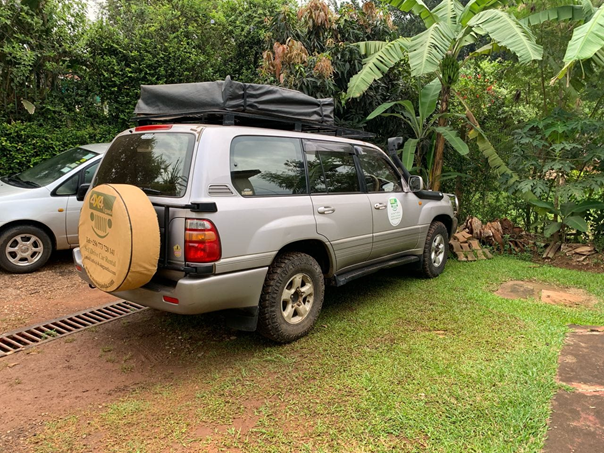
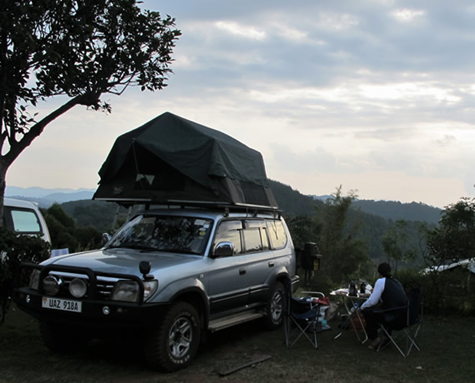
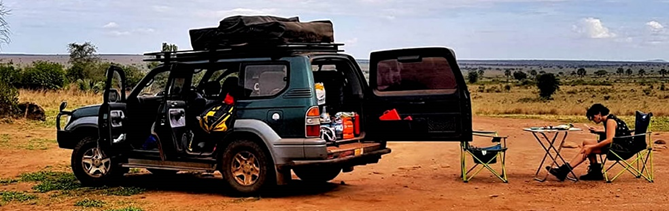
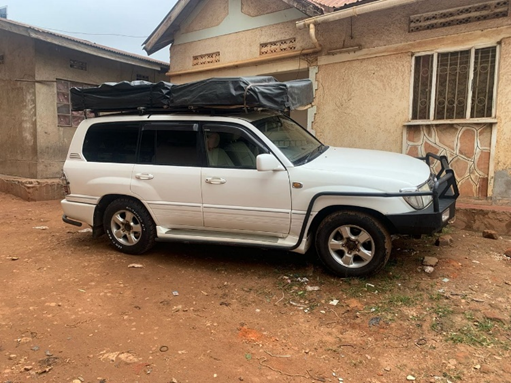
How rooftop tent rentals work in Rwanda
Rwanda Local Traffic Rules And Regulations: Your Complete Guide to Safe Driving in the Land of a Thousand Hills
Rwanda has earned international recognition for its exceptionally well-maintained roads, strict traffic enforcement, and driver-friendly infrastructure that makes it one of Africa's safest countries for self-drive adventures. Understanding local traffic rules and regulations becomes essential for anyone planning to explore this beautiful nation through self-drive car rental services. Whether you're arriving at Kigali International Airport for a safari adventure or planning extended travels through Rwanda's stunning national parks, comprehensive knowledge of traffic laws ensures both legal compliance and personal safety throughout your journey.

The Rwandan government has invested heavily in road infrastructure and traffic management systems, creating an environment where driving as a tourist becomes remarkably straightforward. However, the strict enforcement of traffic regulations means that violations result in immediate fines and potential complications for travelers. Our detailed guide covers everything you need to know about Rwanda's traffic rules, from basic requirements to specific regulations that distinguish driving here from other countries.
Fundamental Driving Requirements in Rwanda
Driver's License and International Permits
Foreign visitors planning to drive in Rwanda must understand the licensing requirements before getting behind the wheel. International tourists can legally drive using their home country's valid driver's license for up to ninety days, though carrying an International Driving Permit (IDP) provides additional documentation that Rwandan authorities recognize without question. Many travelers wonder whether an international driving permit is mandatory, and while not strictly required for all nationalities, obtaining one before travel eliminates potential complications during police checks or rental procedures.
When you rent a car through our Kigali services, our team verifies all necessary documentation to ensure compliance with local regulations. Age restrictions apply to car rentals in Rwanda, with most companies requiring drivers to be at least twenty-one years old, though some vehicle categories mandate minimum ages of twenty-five years. Our comprehensive information about minimum rental age requirements helps travelers understand these restrictions before making reservations. Young drivers should review our guidance on renting as a young driver to understand any additional requirements or restrictions that might apply.
Vehicle Documentation Requirements
Every vehicle operating on Rwandan roads must carry specific documentation that authorities can request at any traffic stop or checkpoint. When you book through our 4x4 car rental services, we provide complete documentation packages including the vehicle registration certificate, comprehensive insurance papers, and rental agreement documents. Understanding what documents you need when renting a car prevents confusion and ensures smooth interactions with authorities throughout your journey.
Insurance coverage represents a non-negotiable requirement for all vehicles in Rwanda, and travelers frequently ask whether insurance comes included with rental cars. Our rental packages include comprehensive third-party liability insurance as mandated by Rwandan law, with options to upgrade to full coverage that eliminates financial liability in accident scenarios. The debate between full insurance versus third-party coverage depends on individual risk tolerance and travel circumstances, though we generally recommend comprehensive coverage for peace of mind during your Rwandan adventure.
Core Traffic Rules and Road Regulations
Driving Side and Road Positioning
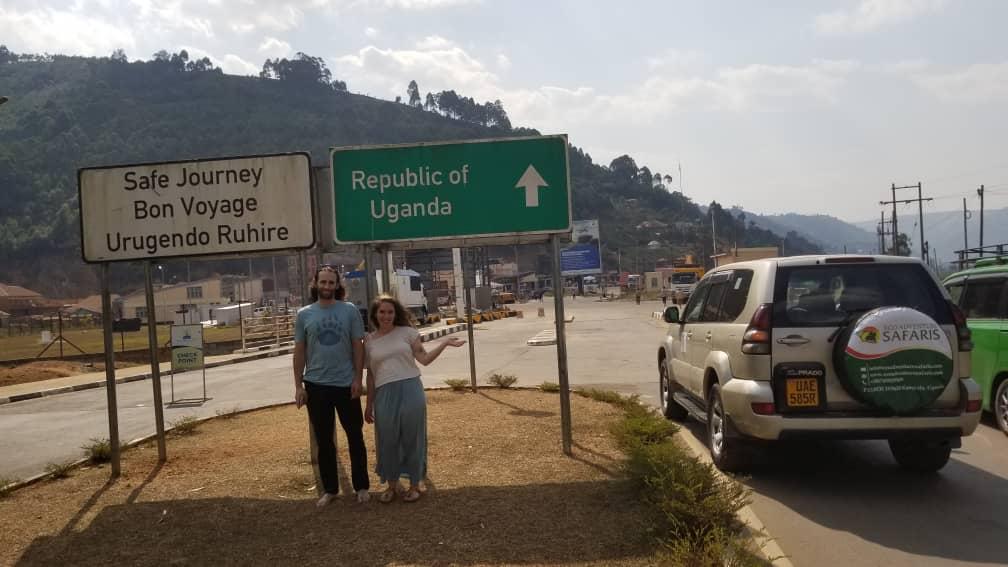
Rwanda follows right-hand traffic patterns, meaning vehicles drive on the right side of the road with overtaking occurring on the left. This system matches most of continental Europe, the Americas, and many African nations, though it differs from countries like the United Kingdom, Kenya, and Uganda where left-hand traffic prevails. Travelers crossing borders between Rwanda and neighboring countries must remain vigilant about these differences, and our cross-border rental services include briefings about transitioning between traffic systems when traveling to Uganda or other nearby destinations.
Lane discipline on Rwandan roads remains strictly enforced, with clear markings indicating proper positioning for different vehicle types. The excellent condition of Rwanda's roads designed for self-drive adventures makes maintaining proper lane position straightforward even for visitors unfamiliar with the country. Roundabouts operate according to standard international conventions, with traffic already in the roundabout having right-of-way over vehicles entering, though remaining attentive to local driving patterns helps navigate these intersections safely.
Speed Limits and Enforcement
Rwandan speed limits vary according to location and road type, with strict enforcement through both police patrols and increasingly common speed cameras. Urban areas including Kigali and other cities impose a fifty kilometers per hour limit, while residential zones and areas near schools reduce this to thirty kilometers per hour. Open highways outside urban areas permit speeds up to one hundred kilometers per hour on well-maintained sections, though many roads post lower limits based on road conditions, visibility, or safety concerns.
Speed enforcement in Rwanda has become increasingly sophisticated, with fixed speed cameras monitoring major highways and portable radar devices used by traffic police throughout the country. Penalties for speeding violations range from modest fines for minor infractions to substantial penalties for excessive speed, with fines typically paid immediately or within short time periods to avoid vehicle impoundment. Travelers exploring routes through our recommended road trip itineraries from Kigali should remain vigilant about posted speed limits, as enforcement occurs even on remote roads leading to national parks and tourist destinations.
Seatbelt and Child Safety Requirements
Rwanda mandates seatbelt use for all vehicle occupants regardless of seating position, with both drivers and passengers subject to fines for non-compliance. This requirement extends to rear-seat passengers, distinguishing Rwandan regulations from some countries where only front-seat occupants must buckle up. Police conduct regular seatbelt checks at roadblocks and traffic stops, making compliance essential rather than optional throughout your journey.
Child safety regulations require appropriate restraint systems for young passengers, with children under certain ages or sizes prohibited from sitting in front seats. When families explore Rwanda through our family travel packages, we provide child safety seats and booster seats upon request at no additional charge. Our detailed information about rental add-ons including baby seats helps parents plan appropriate safety equipment for their children. Following our tips for traveling with children ensures family road trips maintain safety standards while creating memorable experiences exploring Rwanda's attractions.
Traffic Signals, Signs, and Road Markings
Understanding Rwandan Road Signs
Rwanda employs standard international traffic signage that most travelers recognize immediately, using familiar symbols and colors that transcend language barriers. Warning signs appear in yellow triangles alerting drivers to upcoming hazards like sharp curves, steep gradients, wildlife crossings, or construction zones. Regulatory signs use red circles to indicate prohibitions such as no entry, speed limits, or parking restrictions, while blue circular signs mandate specific behaviors like maintaining minimum speeds or proceeding in particular directions.
Informational signs displayed in blue or green rectangles provide guidance about destinations, distances, facilities, and services available along routes. Many signs include both Kinyarwanda and English text, though symbolic representation means language rarely creates barriers to understanding basic road rules. When you embark on journeys through our top self-drive routes, you'll find consistent, clear signage that makes navigation straightforward even when exploring remote areas of the country.
Traffic Light Systems and Intersections
Kigali and other major towns utilize modern traffic light systems operating on standard red-yellow-green sequences familiar to international drivers. Red signals mandate complete stops, yellow indicates imminent change to red requiring drivers to stop if safely possible, and green permits proceeding through intersections while yielding to pedestrians and any vehicles already in the intersection. Rwanda has recently introduced countdown timers at many traffic lights, showing remaining seconds for each signal phase and helping drivers make informed decisions about stopping or proceeding.
Intersections without traffic signals follow standard right-of-way rules, with vehicles approaching from the right having priority unless other signage indicates different arrangements. Four-way stops, though less common in Rwanda than some countries, require complete stops from all directions with vehicles proceeding in order of arrival or yielding to right when simultaneous arrival occurs. Understanding these intersection protocols becomes particularly important when navigating Kigali during city tours where traffic volumes can create complex intersection situations.
Parking Regulations and Urban Driving
Legal Parking Requirements
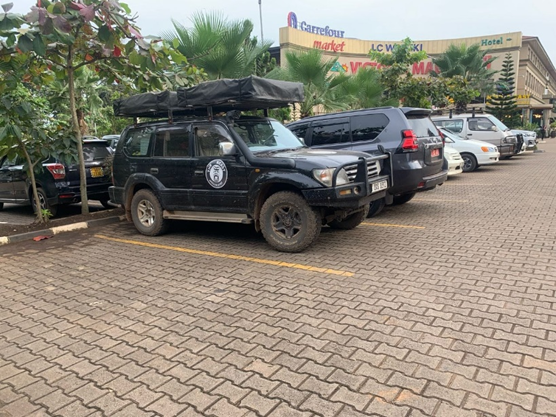
Parking regulations in Rwandan cities have become increasingly formalized, with designated parking zones, time restrictions, and paid parking areas throughout Kigali and other urban centers. Street parking where permitted typically requires payment through attendants or mobile payment systems, with rates varying by location and duration. Yellow curb markings indicate no-parking zones where stopping even briefly risks fines or vehicle towing, while white markings show permitted parking areas that may still have time restrictions or payment requirements.
Private parking facilities including shopping centers, hotels, and restaurants typically offer free parking for customers, though some charge fees especially in central business districts. When exploring Kigali's must-see attractions, you'll find adequate parking at most tourist destinations, though arriving early at popular locations ensures space availability. Our Kigali car rental services include guidance about parking options near major attractions and business districts, helping you plan efficient city exploration without parking complications.
Urban Traffic Patterns and Restrictions
Kigali's traffic flows relatively smoothly compared to many African capitals, thanks to recent infrastructure improvements and strict enforcement of traffic rules. Rush hours typically occur between seven and nine in the morning and five to seven in the evening, when commuter traffic significantly increases journey times through central areas. Planning around these peak periods makes city navigation more pleasant, especially when traveling to or from Kigali International Airport where timing becomes critical for flight schedules.
One-way streets operate in some Kigali neighborhoods, with clear signage indicating permitted directions and severe penalties for traveling against designated flow. Motorcycle taxis, locally called "motos," represent a common sight in Rwandan traffic and require special awareness as they maneuver between vehicles and sometimes make unexpected movements. Our comprehensive road safety tips include specific guidance about sharing roads with motorcycles and adapting to unique aspects of Rwandan traffic patterns.
Alcohol, Mobile Phones, and Distracted Driving
Zero Tolerance for Drinking and Driving
Rwanda enforces strict zero-tolerance policies regarding alcohol and driving, with any detectable blood alcohol level resulting in immediate penalties including substantial fines, license suspension, and potential vehicle impoundment. Roadside alcohol testing occurs regularly at police checkpoints, particularly during evening hours and weekends when social drinking becomes more common. These stringent regulations reflect Rwanda's commitment to road safety and significantly contribute to the country's enviable safety record that makes driving here remarkably safe for tourists.
The practical implication for travelers means absolutely avoiding any alcohol consumption before driving, even amounts that might be permissible in home countries. When enjoying Rwanda's vibrant dining and nightlife scene while exploring Kigali's best restaurants, designate a non-drinking driver or utilize our chauffeur-driven rental services that eliminate concerns about alcohol restrictions while ensuring safe travel after social occasions. This policy also applies to prescription medications that might impair driving ability, requiring travelers using such medications to assess their fitness to drive or arrange alternative transportation.
Mobile Phone Use While Driving
Rwandan law prohibits handheld mobile phone use while operating vehicles, including talking, texting, or any other interaction requiring holding the device. This restriction aims to reduce distracted driving incidents that contribute significantly to road accidents worldwide. Hands-free devices and Bluetooth connections remain legal, allowing drivers to maintain communication while keeping both hands on the wheel and attention on the road.
Many of our modern rental vehicles include integrated Bluetooth systems that facilitate safe phone use while driving. For vehicles without built-in systems, we offer rentals with WiFi and connectivity features that support safe communication practices. Travelers can also request GPS navigation equipment that mounts safely and provides directions without requiring handheld phone manipulation that violates traffic regulations.
Special Regulations for Different Road Types
Highway Driving Requirements
Rwanda's national highways connect major cities and tourist destinations through well-maintained routes that support comfortable long-distance travel. These highways maintain strict enforcement of speed limits, overtaking regulations, and lane discipline, with regular police presence and increasing camera surveillance. Overtaking on highways is permitted only where clear visibility exists and unbroken white lines don't prohibit such maneuvers, requiring drivers to exercise sound judgment about safe passing opportunities.
Long-distance travel on Rwandan highways requires awareness of vehicle capabilities and road conditions that can change with elevation, weather, or rural versus urban sections. When planning road trips through Rwanda's stunning landscapes, understanding highway regulations ensures smooth travel between destinations. Our essential safety tips for long drives cover highway-specific considerations including rest breaks, vehicle checks, and managing fatigue during extended journeys across the country.
Mountain Roads and Rural Driving
Rwanda's topography includes numerous mountainous regions with winding roads that climb steep grades and navigate dramatic elevation changes. These routes impose special requirements including reduced speed limits around curves, mandatory use of lower gears on steep descents, and heightened awareness of livestock, pedestrians, and cyclists sharing roads in rural areas. The spectacular scenery along mountain routes leading to places like Volcanoes National Park sometimes distracts drivers from road conditions, making conscious attention to driving even more important.
Rural roads may feature narrower surfaces, less frequent maintenance, and unexpected obstacles including animals, agricultural equipment, or temporary market activities that reduce available road width. Our guidance on choosing the best cars for mountain driving helps travelers select appropriate vehicles for challenging terrain. When exploring areas through our Volcanoes National Park driving guide, you'll benefit from understanding these rural road characteristics and adapting driving behavior accordingly.
National Park Driving Regulations
Rwanda's national parks impose additional regulations beyond standard traffic rules, with specific requirements about speed limits, vehicle types, stopping locations, and interaction with wildlife. Speed limits within parks typically drop to twenty or thirty kilometers per hour, both for wildlife protection and visitor safety in areas where animals may cross roads unpredictably. Stopping vehicles is permitted only at designated locations unless observing wildlife from inside vehicles, with strict prohibitions against exiting vehicles except at approved sites.
Different parks impose varying requirements, with Akagera National Park requiring 4x4 vehicles for some routes while others remain accessible to standard cars. Understanding whether 4x4 vehicles are necessary for park visits helps travelers select appropriate rentals. Our tips for driving in national parks cover essential regulations and best practices that enhance both safety and wildlife viewing opportunities during park visits.
Weather-Related Driving Regulations
Rainy Season Driving Requirements
Rwanda experiences two rainy seasons annually, typically from March to May and October to December, when precipitation significantly affects road conditions and driving requirements. While major highways maintain excellent drainage and all-weather surfacing, secondary roads and rural routes may develop muddy sections, temporary flooding, or reduced traction that demands adjusted driving techniques. Regulations require reducing speed during wet conditions, increasing following distances, and using headlights during rain even during daytime hours for improved visibility.
Our specialized guide to driving during Rwanda's rainy season provides detailed strategies for maintaining safety when weather conditions deteriorate. Vehicle selection becomes particularly important during rainy periods, with 4x4 rentals from our Kigali location offering enhanced traction and ground clearance that improves wet-weather capability. Understanding seasonal weather patterns helps travelers plan trips during optimal conditions or prepare appropriately for wet-season challenges.
Night Driving Considerations
While not explicitly prohibited, night driving in Rwanda presents challenges that many experienced drivers choose to avoid when possible. Reduced visibility, increased wildlife activity on roads, fewer service facilities, and greater difficulty identifying road hazards combine to make nighttime travel more demanding than daytime driving. Rural areas often lack street lighting, while pedestrians and cyclists sometimes travel without reflective gear that would make them visible to approaching vehicles.
Police roadblocks and vehicle checks occur more frequently during evening hours, particularly on weekends and holidays when authorities intensify drunk driving enforcement. Travelers should ensure all vehicle lights function properly, carry required safety equipment including warning triangles and reflective vests, and maintain extra vigilance when nighttime driving becomes necessary. Planning routes through our top road trip destination guide includes recommendations about realistic daily distances that allow arriving at destinations before darkness falls.
Traffic Police and Checkpoint Procedures
Understanding Police Roadblocks
Traffic police operate regular roadblocks throughout Rwanda, both in urban areas and along major highways connecting cities and tourist destinations. These checkpoints serve multiple purposes including license verification, vehicle documentation checks, alcohol testing, and general traffic law enforcement. Approaching roadblocks requires reducing speed significantly and following officer directions about stopping or proceeding, with respectful cooperation ensuring smooth interactions that rarely extend beyond brief document checks.
Officers may request driver's licenses, vehicle registration papers, insurance documentation, and rental agreements, making it essential to keep these documents readily accessible rather than packed in luggage. Our reliable self-drive rental packages include document folders organizing all required papers for easy presentation during checks. Understanding what officers seek and having documents prepared minimizes checkpoint delays and demonstrates compliance with regulations that Rwandan authorities strictly enforce.
Handling Traffic Violations and Fines
Traffic violations in Rwanda result in immediate fines that officers typically collect on-site, though serious infractions may require court appearances or administrative processes. Common violations including speeding, failure to wear seatbelts, improper overtaking, or mobile phone use carry standardized fines that officers explain clearly when issuing citations. Attempting to negotiate fines or offering unofficial payments constitutes bribery and may result in additional charges beyond the original violation.
Most minor traffic fines range from modest amounts for parking violations to more substantial penalties for speeding or dangerous driving, with officers providing receipts for all payments that serve as proof of fine settlement. Rental companies typically hold drivers responsible for any traffic fines incurred during rental periods, making compliance with traffic rules essential not just for legal reasons but also to avoid unexpected charges on rental deposits. Our transparent information about deposit policies and refund procedures helps travelers understand financial implications of traffic violations.
Vehicle Safety Requirements and Equipment
Mandatory Safety Equipment
Rwandan regulations require all vehicles to carry specific safety equipment that must be present during any journey regardless of distance or destination. Warning triangles represent the most critical item, with regulations mandating immediate deployment when vehicles stop on roadways due to breakdowns, accidents, or emergencies. These triangles must be placed at appropriate distances behind stopped vehicles to warn approaching traffic of the obstruction ahead.
Reflective safety vests become mandatory during roadside stops, requiring drivers and passengers who exit vehicles on roadways to wear these high-visibility garments. First aid kits, though not universally mandated, represent smart precautions that responsible rental companies provide in all vehicles. Our fleet includes comprehensive safety gear in every rental vehicle, ensuring compliance with regulations while supporting emergency preparedness throughout your journey. Fire extinguishers, spare wheels with proper inflation, and functional jacks complete the safety equipment that well-prepared vehicles carry at all times.
Vehicle Maintenance and Roadworthiness
Rwanda enforces strict vehicle roadworthiness standards requiring regular inspections and maintenance that ensure vehicles meet safety criteria. Rental vehicles must pass comprehensive inspections covering brakes, lights, tires, steering, and structural integrity before receiving certification for road use. These standards protect renters by ensuring vehicles meet safety expectations, while also maintaining Rwanda's excellent road safety record.
Our commitment to providing well-maintained vehicles means every rental undergoes thorough pre-rental inspections checking all systems and addressing any maintenance needs before customer collection. This meticulous attention to vehicle condition prevents breakdowns while ensuring compliance with Rwandan roadworthiness regulations. Understanding common causes of rental car breakdowns and our protocols for handling breakdown situations provides peace of mind knowing comprehensive support exists throughout your rental period.
Cross-Border Travel Regulations
Driving Between Rwanda and Neighboring Countries
Cross-border travel between Rwanda and Uganda, Tanzania, Burundi, or Democratic Republic of Congo requires specific documentation and insurance coverage beyond standard Rwandan requirements. Travelers planning regional adventures must obtain cross-border permits from rental companies, arrange appropriate insurance that covers multiple countries, and carry all vehicle documentation that border authorities require for entry into neighboring nations. The transition between right-hand traffic in Rwanda and left-hand traffic in Uganda and Kenya demands particular attention when crossing borders with rental vehicles.
Each border crossing maintains unique procedures and requirements, with varying documentation needs, insurance verification processes, and vehicle inspection protocols. Our cross-border rental services include comprehensive briefings about specific requirements for your planned route. Whether traveling through our East African rental programs or arranging one-way rentals between cities, understanding cross-border regulations prevents complications during your regional exploration.
International Driving Standards and Adaptations
While Rwanda follows international traffic conventions in most respects, subtle differences in driver behavior, road culture, and enforcement priorities require adaptation from foreign visitors. Rwandan drivers generally exhibit greater adherence to traffic rules than some African countries, creating an environment where violations stand out more noticeably and attract quicker enforcement response. The culture emphasizes orderly traffic flow, minimal aggressive driving, and respect for traffic regulations that foreign visitors should match to integrate smoothly into local traffic patterns.
Pedestrian behavior differs from some Western countries, with many Rwandans walking along or across roads in ways that may seem unexpected to visitors from countries with more segregated pedestrian infrastructure. This reality requires drivers to maintain heightened awareness of pedestrians, especially in rural areas where sidewalks don't exist and people naturally use road shoulders for travel. Our cultural etiquette guide for travelers includes insights about understanding local transportation patterns that help visitors navigate these cultural differences respectfully and safely.
Special Considerations for Different Vehicle Types
4x4 and SUV Specific Regulations
Four-wheel-drive vehicles and larger SUVs face some unique regulatory considerations in Rwanda, particularly regarding appropriate usage and capability expectations. While these vehicles offer enhanced capability for challenging terrain, drivers must recognize that 4x4 designation doesn't exempt them from standard traffic rules or permit dangerous driving on difficult roads. Speed limits, overtaking restrictions, and general traffic laws apply equally regardless of vehicle type or capability.
Certain restricted areas or sensitive environments may limit vehicle types permitted for access, with national park regulations sometimes specifying required vehicle categories for particular routes. Understanding why 4x4 rentals enhance certain adventures helps travelers select appropriate vehicles while recognizing that capability comes with responsibility to respect environmental protections and access restrictions. Our comprehensive 4x4 rental guide covers both the advantages and responsibilities that accompany these capable vehicles.
Luxury and Sports Car Considerations
High-performance vehicles and luxury cars available through our Kigali sports car rental service face particular scrutiny from traffic authorities who recognize that vehicle capability may tempt drivers to exceed speed limits or drive aggressively. While these vehicles certainly attract attention, operators must exercise particular discipline to avoid violations that luxury cars might make more tempting. Speed capabilities far exceeding legal limits require conscious self-regulation rather than relying on vehicle limitations to prevent violations.
Luxury vehicle rentals also attract theft risk in some areas, requiring extra attention to parking security and vehicle protection. Travelers booking through our high-end vehicle services receive specific guidance about protecting premium vehicles while enjoying the enhanced comfort and performance they provide. Our luxury rental options include comprehensive insurance coverage that addresses unique risks associated with high-value vehicles.
Practical Tips for Compliance and Safety
Avoiding Common Mistakes
Foreign drivers in Rwanda commonly make specific mistakes that lead to violations or safety issues, many of which simple awareness prevents entirely. Failing to appreciate stopping distance requirements represents one frequent error, with drivers following too closely for conditions or vehicle capabilities. Speed limit confusion occurs when travelers fail to notice changed limits in transition zones between urban and rural areas, or when temporary construction zones impose reduced limits that remain poorly marked.
Our detailed guide covering common rental mistakes to avoid addresses many issues that lead to violations or complications. Understanding these pitfalls before they occur helps travelers maintain clean driving records while enjoying their Rwandan adventures. Following important driving precautions specific to Rwanda further reduces risks and ensures smooth, enjoyable travel experiences throughout the country.

Maximizing Safety While Exploring Rwanda
Beyond legal compliance, prioritizing safety ensures enjoyable experiences while protecting yourself, passengers, and other road users. Regular vehicle checks before daily journeys identify potential issues before they become problems, while maintaining awareness of changing road conditions and weather allows proactive adjustments to driving behavior. Conservative speeds, generous following distances, and defensive driving attitudes compensate for unexpected situations that even well-prepared travelers occasionally encounter.
Planning routes using our self-drive itinerary guidance ensures realistic daily distances that avoid fatigue from excessive driving. Following our complete road trip safety checklist covers essential preparations before departing on adventures. Our packing recommendations for rental trips include items that enhance both safety and convenience throughout your journey across Rwanda's diverse landscapes.
Insurance, Liability, and Accident Procedures
Understanding Insurance Requirements
Rwandan law mandates third-party liability insurance for all vehicles, covering damages or injuries to other parties involved in accidents where the insured driver bears responsibility. This basic coverage protects other people but leaves the rental vehicle and driver potentially liable for vehicle damage costs. Comprehensive insurance options available through our rental insurance programs eliminate or significantly reduce financial liability for vehicle damage regardless of fault determination.
The choice between insurance levels depends on risk tolerance, travel plans, and budget considerations. Our transparent discussion of rental terms and insurance options helps customers make informed decisions about appropriate coverage levels. Many credit cards offer rental car insurance as cardholder benefits, though verifying that such coverage extends to Rwanda and understanding any limitations prevents surprises if accidents occur. Our team helps customers navigate insurance questions and ensure adequate protection throughout rental periods.
Accident Reporting and Resolution Procedures
Traffic accidents in Rwanda require specific reporting and documentation procedures that participants must follow to satisfy legal requirements and insurance claim processes. Minor accidents without injuries may be resolved through direct negotiation between parties, though involving police ensures proper documentation that protects everyone involved. Serious accidents involving injuries mandate immediate police notification and emergency service contact, with all parties required to remain at scenes until authorities complete initial investigations.
Our comprehensive information about handling accidents and breakdowns prepares renters for these stressful situations. We provide 24/7 emergency support that includes accident assistance, insurance claim coordination, and replacement vehicle arrangements when needed. Understanding proper procedures for traffic tickets and violations ensures you handle these situations correctly while minimizing complications and protecting your interests throughout resolution processes.
Cost Implications and Fee Structures
Understanding Rental Costs and Hidden Fees
Transparency about rental costs helps travelers budget accurately and avoid unpleasant surprises when settling final bills. Base rental rates represent just one component of total costs, with insurance fees, fuel policies, additional driver charges, cross-border permits, optional equipment rentals, and potential traffic fines all contributing to final expenses. Our commitment to rentals without hidden fees means clearly explaining all charges before bookings finalize.
Understanding daily rental costs in Kigali provides baseline budgeting information, while our comprehensive pricing guide reveals potential additional expenses. Travelers can reduce costs significantly through strategies outlined in our tips for saving money on rentals. Our current promotional offers and long-term rental discounts further reduce expenses for extended travels.
Deposit Requirements and Refund Policies
Security deposits represent standard practice in car rentals worldwide, with amounts varying based on vehicle type, insurance coverage selected, and rental duration. These deposits protect rental companies against potential damages, traffic fines, fuel charges, or other expenses that may arise during rental periods. Understanding our deposit and refund policies prevents confusion about temporary holds on credit cards or payment methods.
Some travelers seek no-deposit rental options that eliminate upfront financial requirements, though these arrangements typically require comprehensive insurance coverage that increases daily rental costs. Whether paying deposits traditionally or selecting no-deposit alternatives, understanding financial terms before confirming bookings prevents surprises and ensures smooth rental experiences. Our cancellation and refund policies provide additional transparency about financial commitments and flexibility for changing travel plans.
Resources and Support for Drivers
Emergency Contacts and Assistance
Knowing appropriate emergency contacts before problems arise ensures quick access to help when needed. Rwanda's emergency number 112 connects callers to police, while 912 reaches medical emergency services. Traffic police can be reached through dedicated hotlines, though most interventions occur through physical patrols and roadblocks rather than emergency calls. Our rental vehicles include emergency contact information for 24/7 roadside assistance that addresses breakdowns, accidents, or any issues requiring immediate support.
Many rental emergencies involve relatively simple issues like flat tires, dead batteries, or lockouts that our rapid response teams resolve quickly without extended disruptions to travel plans. More serious situations including accidents, major mechanical failures, or security concerns receive immediate attention with priority support that ensures customer safety and minimizes trip interruptions. Our comprehensive rental benefits package includes support services that many competitors treat as optional extras.
Navigation and Journey Planning Tools
Successful self-drive adventures require reliable navigation tools and journey planning resources that help drivers reach destinations efficiently while avoiding problematic routes. GPS navigation systems available with our rentals provide turn-by-turn guidance supplemented by offline maps that function even where mobile coverage falters. Mobile navigation apps offer alternatives that most travelers find familiar and comfortable, though downloading offline maps before leaving connected areas prevents navigation failures in remote locations.
Our complete self-drive itinerary planning service helps travelers design routes that balance ambitious exploration with realistic driving times. Resources explaining safe navigation on unfamiliar roads supplement technical tools with practical strategies for confident driving in new environments. Our guide to roadside stops identifies convenient break locations that transform long drives into enjoyable journeys with opportunities to rest, refuel, and experience local culture along the way.
Comparing Rwanda to International Standards
How Rwanda Ranks Globally for Road Safety
Rwanda's road safety statistics place it among Africa's safest driving destinations, with accident rates, fatality numbers, and injury statistics significantly lower than regional averages. This exceptional safety record results from sustained investment in road infrastructure, strict traffic law enforcement, comprehensive driver training requirements, and cultural emphasis on orderly conduct. The visible police presence, sophisticated traffic management systems, and zero-tolerance approach to violations create environments where safe driving represents normalized behavior rather than exceptional conduct.
International travelers consistently remark on Rwanda's road safety compared to other African nations, with many comparing driving here favorably to European or North American experiences. Our comparison with other rental destinations highlights Rwanda's advantages while helping travelers set appropriate expectations. Understanding why self-drive exploration works so well in Rwanda helps visitors appreciate the unique combination of safety, infrastructure quality, and natural beauty that makes driving here such rewarding experiences.
Lessons From Rwandan Traffic Management
Rwanda's success in creating safe, efficient road systems offers lessons that many countries study and attempt to replicate. The combination of modern infrastructure, visible enforcement, public education campaigns, and political will demonstrates that dramatic improvements in road safety are achievable through comprehensive approaches addressing multiple contributing factors simultaneously. The emphasis on preventive measures rather than reactive responses helps avoid accidents rather than simply managing consequences after they occur.
For travelers, these systematic approaches translate into reassuring environments where following rules produces predictable outcomes and drivers generally behave rationally. The professionalism of traffic police, clarity of regulations, and consistency of enforcement remove much uncertainty from driving experiences. These attributes make Rwanda particularly suitable for visitors attempting self-drive adventures for the first time in Africa, with conditions that minimize culture shock while maximizing enjoyment and safety throughout journeys across this remarkable country.
Conclusion: Embracing Safe, Legal Driving in Rwanda
Understanding and complying with Rwanda's traffic rules and regulations transforms from intimidating challenges into straightforward requirements that enhance rather than restrict travel experiences. The clear rules, consistent enforcement, and excellent infrastructure create environments where safe, legal driving becomes natural extensions of exploring this beautiful country. By familiarizing yourself with requirements before arriving, maintaining vigilant compliance throughout travels, and embracing the culture of orderly traffic that characterizes Rwandan roads, you ensure smooth, enjoyable adventures free from legal complications or safety concerns.
Our ultimate rental guide provides comprehensive resources that address every aspect of driving in Rwanda, while our detailed requirements documentation ensures you understand specific criteria before travel. Whether embarking on weekend escapes from Kigali, undertaking ambitious cross-country expeditions, or simply navigating city streets for business or leisure, knowledge of traffic regulations provides foundations for successful self-drive experiences.
Rwanda's commitment to road safety, combined with the beauty of its landscapes and warmth of its people, creates ideal conditions for memorable self-drive adventures. By respecting traffic rules, prioritizing safety, and utilizing the comprehensive support our rental services provide, you'll discover why so many travelers consider driving through Rwanda among their most rewarding travel experiences. The freedom, flexibility, and intimate connection with surroundings that self-drive travel enables become accessible through understanding and compliance with the regulations designed to protect everyone sharing Rwanda's remarkable roads.
We invite you to contact our team with any questions about traffic regulations, rental procedures, or travel planning as you prepare for your Rwandan adventure. Our experienced staff understands both the rules we've discussed and the practical realities of implementing them during actual travels, providing insights that supplement this guide with personalized advice for your specific circumstances. With proper preparation, appropriate vehicles from our diverse rental fleet, and commitment to safe, legal driving practices, your self-drive exploration of Rwanda promises to create memories and experiences that last lifetimes while maintaining the safety and legality that make such adventures possible.